
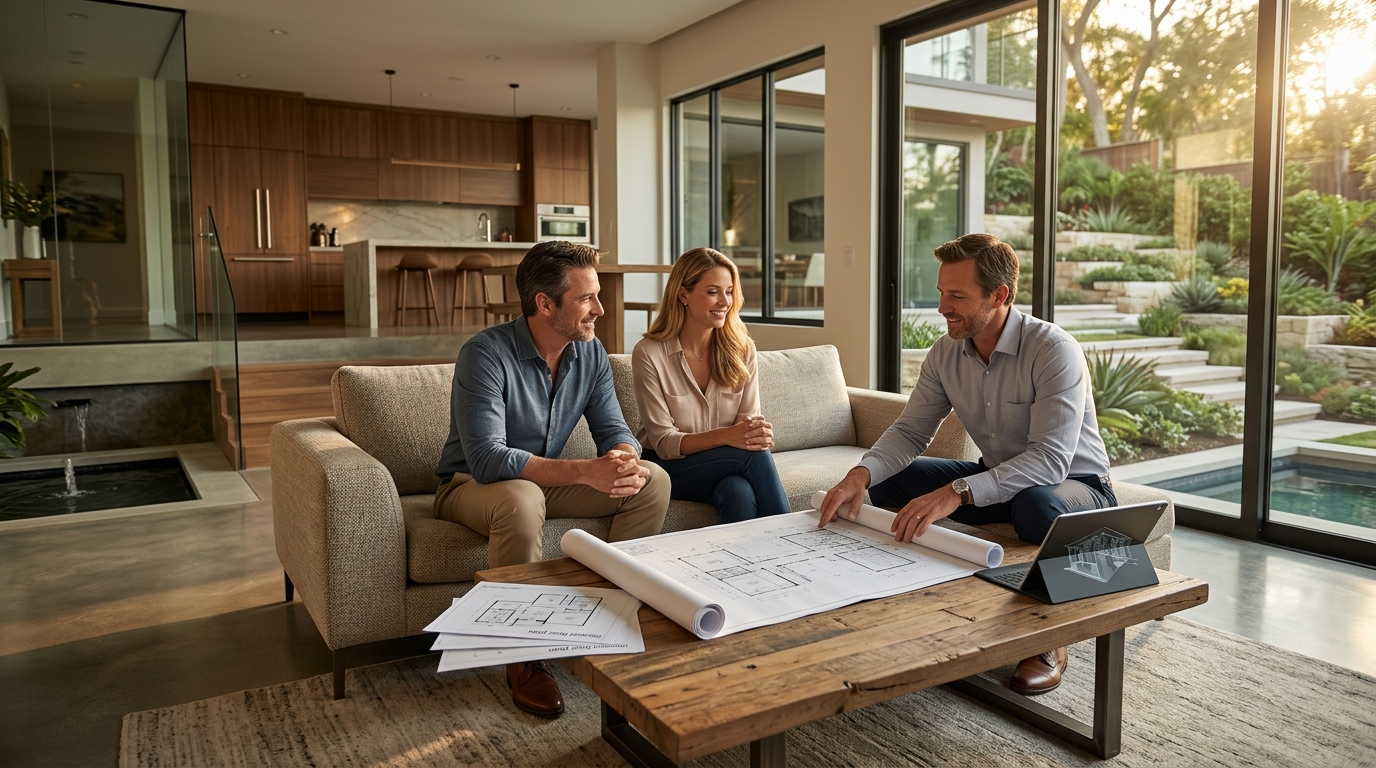
Internet Floor Plans vs. Custom Designers: A Sarasota Homeowner's Guide
Site Adaptation Requirements
Topography and Grading
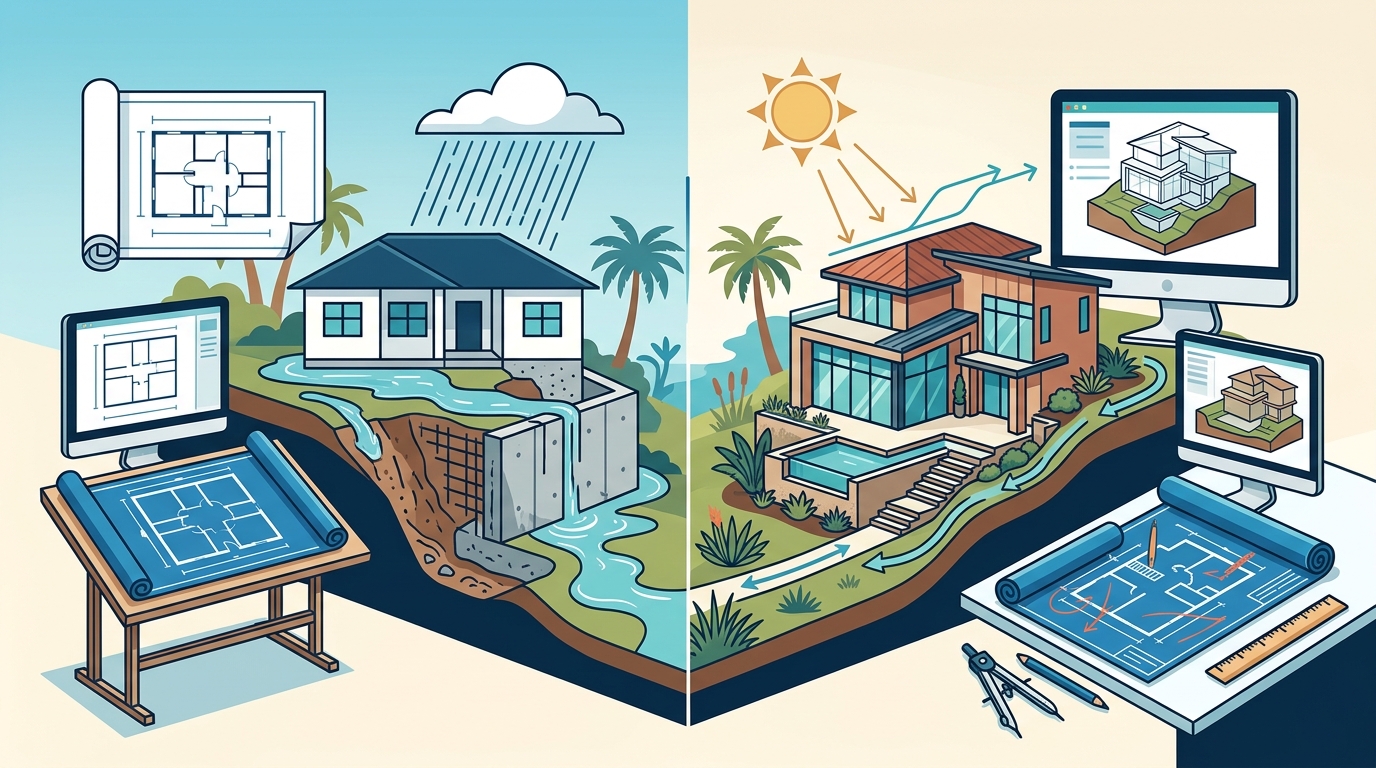
Sloped lots require specific foundation strategies. A designer can integrate the home into the slope, creating a multi-level entry or a sunken living area. This approach reduces the need for massive retaining walls. It also improves drainage and energy efficiency. Generic plans often ignore these nuances, leading to expensive on-site changes. For additional details, review the .
Orientation and Solar Gain
Passive solar design is critical in Florida. A designer orients the home to capture natural light while minimizing heat gain. They place windows and overhangs strategically. Internet plans rarely consider the sun's path. This can result in a home that is too hot in the afternoon or too dark in the morning. Proper orientation is a key component of a custom design. For additional details, review the Customer Experience.
Lifestyle and Functional Integration
Functional integration is the alignment of a home's layout with the specific habits and needs of its occupants. Internet plans are one-size-fits-all. They assume a standard family structure and lifestyle. They do not account for a home office, a large kitchen for entertaining, or accessibility needs. A designer works with you to map out your daily routines. They create spaces that flow logically. This ensures the home works for you, not the other way around. For additional details, review the Frequently Asked Questions.
Room Flow and Proximity
The distance between rooms matters. A designer places the kitchen near the dining area if you cook often. They might separate the bedroom wing for privacy. Internet plans often have awkward transitions. These can make daily life feel disjointed. A custom layout optimizes movement and interaction. For additional details, review the About.
Specialized Spaces
Structural Integrity and Local Codes
Wind and Rain Resistance
Sarasota is in a high-velocity zone. The home must be designed to withstand hurricane-force winds. A designer specifies the correct roof structure and window ratings. They ensure the building envelope is tight and secure. Generic plans may lack these specific details. This can lead to code violations or safety risks.
Soil and Foundation
Soil conditions vary by lot. A designer works with a geotechnical engineer to determine the best foundation type. They might recommend a slab, pier, or crawl space. This decision is based on the specific soil bearing capacity. Internet plans assume a standard foundation. This can be a poor fit for your lot. A custom design ensures the foundation is appropriate and cost-effective.
Aesthetic Cohesion and Material Selection
Exterior Elevation Design
The exterior of a home is its first impression. A designer can create a unique facade. They might use a combination of stucco, brick, and wood. They consider the roofline and window placement. This creates a distinctive look. Generic plans often look repetitive. A custom design ensures your home stands out in a positive way.
Interior Material Palette
Materials define the feel of a space. A designer helps you select flooring, cabinetry, and countertops. They ensure these choices work together. They consider durability, maintenance, and cost. Internet plans do not specify materials. This leaves you to guess. A designer provides a cohesive material palette that enhances the design.
Comparison: Internet Plans vs. Custom Design
The following table summarizes the key differences between using an internet floor plan and working with a professional designer.
| Site Adaptation | Generic, flat grid | Tailored to topography and orientation |
| Lifestyle Fit | One-size-fits-all | Customized to daily habits and needs |
| Code Compliance | May not meet local codes | Ensured by professional review |
| Structural Design | Standard assumptions | Engineered for specific site conditions |
| Aesthetic Uniqueness | Repetitive, generic look | Unique architectural statement |
| Material Selection | Not specified | Cohesive, curated palette |
Key Takeaways
- Internet floor plans are generic and rarely fit specific lots or lifestyles.
- Site adaptation is critical for a functional and efficient home design.
- Professional designers ensure compliance with local building codes.
- Custom design allows for unique aesthetic and material choices.
- Working with a designer reduces the risk of costly on-site changes.
- A custom home is a long-term investment in your quality of life.
- Vertical Custom Homes provides expert design and build services in Sarasota.
Frequently Asked Questions
Can I modify an internet floor plan to fit my lot?
Yes, but it is often difficult and expensive. Minor changes are possible, but major modifications require a professional designer. A designer can adapt the plan to your specific site and needs.
Do internet floor plans meet Florida building codes?
How long does the custom design process take?
The timeline varies based on the complexity of the project. It typically takes several months. Working with an experienced team like Vertical Custom Homes can streamline the process.
Is a custom design more expensive than an internet plan?
Design fees are an investment. However, a custom design can save money in the long run. It avoids costly on-site changes and ensures a functional layout.
Can a designer incorporate my favorite features from an internet plan?
What is the role of a structural engineer in custom design?
A structural engineer ensures the home is safe and stable. They work with the designer to create a compliant structure. This is a critical part of the custom build process.